

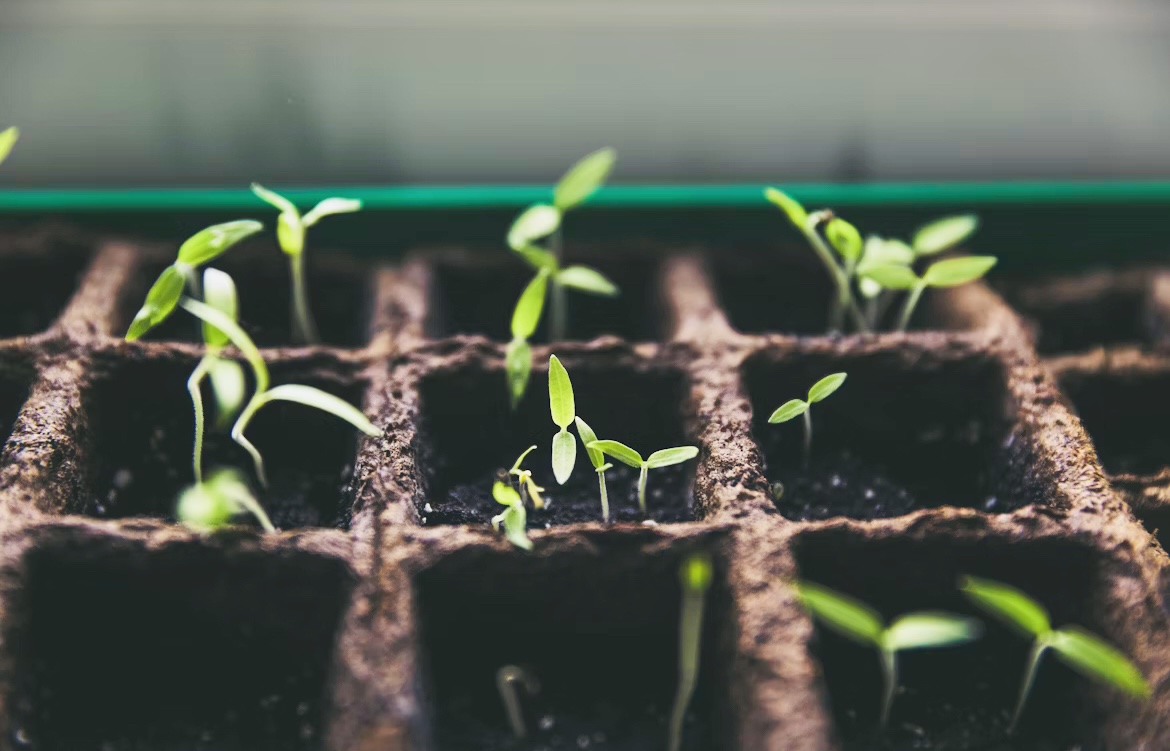
Every spring, without fail, some folks turn into a kid in a candy store — except their candy is tomato and jalapeño plants. And sometimes, if they’re feeling fancy and want to impress someone else, they’ll throw tomatillos into the cart.
Of course, that’s just the warm-up. Some folks snag enough seed packets to start a medium-sized farm: zucchini, yellow squash, green beans, peas… you get the picture
Sometimes, folks get a wild hair and decide to start tomatoes and peppers from seed indoors. Sometimes this ends in tragedy because they forget about them until they’re shriveled and gasping for water.
Gardening Ain’t Cheap… But It’s Cheaper Than Tomatoes That Cost $1.50 Each
It’s been a few years for Missy and me (and we’re looking forward to next year) but I remember the receipt for my spring plant spree always made me want to lie down for a minute. But it was, and is, still cheaper than buying tomatoes, peppers, and squash at the store — especially because those plants keep giving through fall and sometimes even winter if the weather’s on our side.
Gardening, even when it’s a cash pit and a sunburn waiting to happen, is absolutely worth it.
But imagine this: what if you could plant something once…and harvest it for 10 or 20 years? I’d call that a win.
Perennial Veggies: The Lazy Gardener’s Dream
The biggest advantage with perennial vegetables is you plant them once, and they keep coming back, over and over again.
(So basically, they’re like glitter, but useful.)
Sure, perennial veggies might cost a bit more upfront because you’re buying a plant instead of a $1.29 packet of seeds. But it’s worth every penny.
Now, don’t get too excited. Perennials won’t replace your entire veggie garden. Tomatoes and winter squash won’t magically come back next year unless you live in the tropics. But plenty of other fruits and veggies will come back to greet you like old friends each spring.
For example:
Asparagus: The Long Game

When folks think “perennial veggies,” asparagus tops the list. You plant it one spring…and then sit there like a kid waiting for Christmas because you can’t harvest it until the next year.
It’s worth the wait, though. Fresh-picked asparagus is so good, you’ll wonder why you ever bothered with those rubbery green twigs from the grocery store.
One asparagus patch can feed you for 10-15 years. Plant the crowns 6-8 inches deep and 14 inches apart. Fair warning: asparagus likes a good freeze in winter, so if you live somewhere that never gets that cold, it might mope.
Rhubarb: The Pie Factory

From Alaska to Texas (except for the sizzling parts), rhubarb shows up year after year like that friend who never takes a hint to leave.
People think of Grandma’s rhubarb-strawberry pie, but rhubarb is surprisingly productive. If you’re new to gardening, this is a great first perennial. It’s tough and low-maintenance.
Just remember: the leaves and roots are poisonous, so don’t go tossing them in your salad. Stick to the stalks, which are delicious fresh or cooked. Or frozen. Or hidden in desserts so you can claim you’re eating your vegetables.
You’ll have to wait a few years before the plant’s ready for heavy harvesting, but once it’s rolling, it’s unstoppable.
Herbs: Your Gateway Drug to Gardening

Missy LOVES her little herb garden. I must admit, I love the smell of her fresh basil! Basil is an annual diva and won’t survive a frost unless you bring it inside and whisper sweet nothings to it all winter. But many herbs are perennial champs: dill, cilantro (which I DO NOT like), chives, oregano, and sage.
Even if you think you have a black thumb, herbs are worth a shot. Dill is basically a weed (hence the name), and some herbs spread faster than gossip in a small town, so plant wisely.
Horseradish: The Spicy Surprise

You don’t need to dedicate half your garden to horseradish, but it’s worth considering. Plant it once, and it’ll keep coming back, sometimes with a vengeance.
Once established, horseradish needs regular harvesting — unless you want it taking over your yard.
And don’t just think horseradish sauce. Toss some grated root into salads, dressings, or even mix it with mayo. It’s got a fiery kick that’ll wake you up faster than coffee. It only takes a little bit to light up your life! Believe me… Missy and I know (long story).
Flowering Onions: Nature’s Secret Stash

Some folks try to get flowering onions OUT of their yards but that’s only because they don’t realize what a treasure they are.
Ramps, a.k.a. wild leeks, are similar. Some folks find their taste a bit strong (I call those folks “wrong”), but they’re delicious. Once they’re settled in, they’ll keep coming back. Use them like you would onions — or toss them on everything for that earthy, oniony punch.
Kale: The Plant That Won’t Quit

Most folks grow kale as an annual and pluck it every year. But some types — like Daubenton, walking stick kale, or sea kale — can stick around as perennials in the right zones.
Kale laughs in the face of frost and cold winds. It’s loaded with nutrients and some folks thinks it tastes great in salads, smoothies, or sautéed. Or if you’re like me, you can just tell people you’re growing it but don’t let them in on the fact you’re not really eating it because you think it’s nasty.
Bottom Line: Plant Once, Eat For Years
If you’re tired of shelling out your hard-earned dollars every spring for the same plants over and over, give perennials a shot.
Because while gardening’s never truly cheap — at least it’s cheaper than therapy. And you get asparagus out of the deal.
Lord bless you and yours

Kyle
/
Semi Homesteaders
Subscribe below for occasional insider exclusive content and updates from the ‘stead!

